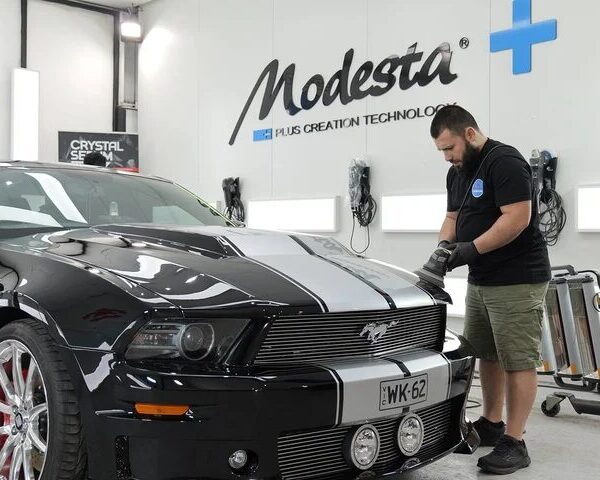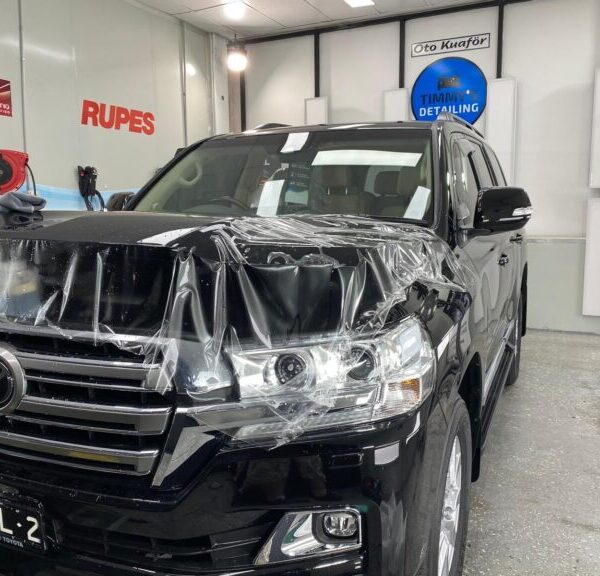
Choosing paint protection film Melbourne coverage is not about automatically selecting the biggest package. It is about understanding where your car is most likely to be damaged, how you use it and how long you plan to keep it. For some drivers, full-front PPF provides the practical protection they need. For others, full-body paint protection film is a better fit for the vehicle, driving conditions and ownership plans.
Stone chips, bug residue, light scuffs and road grime do not land evenly across a vehicle. A clear plan helps you protect the panels that matter most without paying for coverage that does not suit your real-world use.
Paint Protection Film Melbourne: Start With Your Actual Driving Risks
Paint protection film is commonly applied to painted surfaces that face frequent physical wear. It can help reduce the visual impact of everyday hazards such as loose road debris, small stone strikes, bug splatter, light abrasions and marks around high-contact areas. It is not a guarantee against every chip, deep scratch or collision, but it adds a durable sacrificial layer over the paint beneath.
For Melbourne drivers, the front of the car often takes the greatest punishment. Freeway kilometres, regional weekends, roadworks, trucks and changing road surfaces can all increase stone-chip exposure. That does not mean every vehicle needs full-body PPF. A car used mainly for short suburban trips in a garage faces different risks from a performance car driven regularly on the M1 or country roads.
Before comparing packages, think about where your car spends its time: freeway driving, street parking, tight shopping-centre bays, school drop-offs, regional travel or long periods parked outdoors. These details should guide the recommendation more than a generic package name.
What Full-Front PPF Usually Includes
Full-front PPF is designed around the vehicle’s primary impact zone. While inclusions vary between vehicle designs and installers, a typical full-front package commonly covers the front bumper, full bonnet, front guards, headlights and mirror caps. These are the areas most exposed to airborne stones, insects and road spray while driving.
It is a popular starting point because it protects the most vulnerable painted sections without extending film across every exterior panel. On many cars, the visual result is discreet because the film can be installed to follow panel edges where appropriate.
Do not assume all front-end packages are identical. One quote may include the bonnet and guards, while another may only cover a partial bonnet or partial guards. Headlight coverage, mirror caps and wrapped edges can also differ. Ask for a written, panel-by-panel list before you compare prices.
If you are exploring professional options, Timmy’s Detailing can assess the condition and use of your vehicle through its car paint protection film service.
What Full-Body Paint Protection Film Can Cover
Full-body paint protection film extends protection across the painted exterior rather than concentrating on the front impact zone. Depending on the vehicle and package, this may include the doors, rear guards, roof, boot lid, rear bumper and other painted surfaces that sit outside a standard full-front installation.
The appeal is consistent coverage. Side doors can pick up marks from tight parking spaces, rear guards may be exposed to road debris thrown up by the tyres, and rear bumpers often receive loading scuffs or careless contact in car parks. A full-body installation can help protect these areas during day-to-day ownership.
However, full body does not always mean every exterior material is included. Gloss-black trims, matte pieces, badges, plastics, carbon-fibre parts and sensor areas may need separate discussion. Confirm exactly how these components will be treated, whether film will be applied around them, and what exclusions apply to your particular vehicle.
It also requires a larger investment of time and budget. More panels mean more preparation, more precise fitting and more film. That is why a full-body package should be chosen because it suits your ownership priorities, not simply because it sounds like the most comprehensive option.
The Practical Difference Between Front-End and Full-Body Coverage
The main distinction comes down to where you accept exposure. Full-front PPF protects the panels most likely to be struck while driving at speed. Full-body coverage continues that protection onto the areas more likely to experience side scuffs, door contact, rear-road grime and general handling marks.
- Full-front PPF: Focuses on high-impact front-end panels and is often the more budget-conscious choice for daily drivers.
- Full-body PPF: Protects painted surfaces across the vehicle for owners seeking broader exterior coverage and visual consistency.
- Extended-front coverage: Adds selected panels or high-contact areas beyond a standard front package without covering the whole car.
Installation time also changes. A full-front installation generally involves fewer panels than a full-body application, while a complete vehicle wrap requires more detailed preparation and fitting. Existing chips, scratches, previous repairs or paint defects may affect the work required before film is installed.
The right comparison is not full front versus full body in isolation. It is the value of each option against your driving exposure, vehicle condition and expectations for the finish over time.
Which Car PPF Coverage Options Suit Different Drivers?
There is no universal answer, but certain patterns can help narrow down your car PPF coverage options.
Full-front PPF may suit you if
- You drive regularly on freeways, highways or regional roads where stone chips are a concern.
- You want to protect a new car’s high-impact areas while keeping the overall spend controlled.
- You mainly park in a garage or have lower exposure to door dings and side-panel scuffs.
- You plan to keep the car for several years but do not need every painted panel covered.
Full-body PPF may be worth considering if
- You own a prestige, performance, collector or recently delivered vehicle with paint you want to preserve as broadly as possible.
- Your vehicle is a dark colour, where fine wash marks, scuffs and blemishes can be more noticeable.
- You street park frequently or use tight urban car parks where side panels and bumpers face more contact.
- You expect long-term ownership and want protection beyond the front-end impact zone.
These are examples, not rules. A white family SUV that travels hundreds of kilometres every week may benefit greatly from full-front protection. A weekend sports car that is rarely driven but carefully stored may call for a different approach.
Consider an Extended-Front Package Before Going Full Body
Many owners sit somewhere between the two main options. An extended-front package can be a sensible middle ground when you want more than the standard front-end panels but do not see value in covering every painted surface.
Depending on your vehicle and requirements, this may involve adding selected high-contact or high-exposure sections such as door cups, door edges, rear bumper loading areas, lower side sections or other areas identified during inspection. The best additions depend on how you enter, park, load and drive the vehicle.
For example, a family SUV with frequent boot use may benefit from attention around the rear loading area. A low performance vehicle driven on winding regional roads may have different exposure around lower sections and rear guards. Rather than choosing a package by name, ask for a recommendation based on the panels most likely to show wear on your car.
Timmy’s Detailing offers a range of vehicle detailing and protection services, allowing you to discuss a practical coverage plan rather than forcing your car into a one-size-fits-all package.
Factors That Affect the Right PPF Package
Vehicle use matters, but several other factors can change the value of front-end or full-body coverage.
- Vehicle age and paint condition: PPF is clearest and most effective over well-prepared paint. Existing chips, scratches and repair work should be inspected and documented first.
- Paint colour and finish: Dark colours and gloss-black surfaces can show fine marks more readily. Matte or satin finishes need product and installation methods suited to that finish.
- Ownership timeline: The longer you expect to own the vehicle, the more you may value broader coverage. If you change cars frequently, front-end protection may better match your priorities.
- Parking conditions: Garaged cars generally face different risks from vehicles parked on the street, at stations or in busy public car parks.
- Budget: Be clear about what you want to spend, then protect the panels that offer the strongest return for your use.
A good installer will discuss the trade-offs openly. More film provides broader coverage, but it is not automatically the best value for every driver.
Questions to Ask Before You Approve a PPF Quote
Quotes can look similar while covering very different work. Ask direct questions so you can compare like for like.
- Which exact panels are included, and is there a diagram or written list?
- Are the bonnet and guards full coverage or partial coverage?
- Are headlights, mirror caps, door edges and door cups included?
- Where will edges be wrapped, and where will they finish due to vehicle design?
- How are badges, sensors, trims and complex body lines handled?
- Is paint correction or other preparation required before installation?
- How will existing chips, scratches or previous repairs be recorded?
- What product and workmanship warranty terms apply, and what care is required?
This conversation should be straightforward. You should know what is covered, what is excluded and what the finished result is expected to look like before work begins. Avoid making a decision based only on the package label or the lowest figure on a quote.
A Simple Checklist for Choosing Your Coverage
Use this checklist to decide whether full-front PPF, extended coverage or a full-body installation is likely to suit your car.
- How many freeway or regional kilometres do you drive each week?
- Do you regularly travel on roads with trucks, loose gravel, roadworks or heavy traffic?
- Is the car parked in a garage, driveway, street or busy public car park?
- Which panels already show chips, scuffs or loading marks on your current vehicle?
- Is your vehicle a colour or finish that makes blemishes more noticeable?
- How long do you expect to own it?
- Would you rather prioritise front-end stone-chip protection or broad coverage across the entire exterior?
- What budget feels sensible for the way you use the vehicle?
Bring these answers to an in-person inspection. A close look at the paint, panel shapes and existing condition makes it easier to build a recommendation that is specific to your vehicle. To arrange a discussion, contact Timmy’s Detailing for a written coverage proposal.
Frequently asked questions
Is full-front PPF enough for a daily driver?
For many daily drivers, full-front PPF is a practical choice because it covers the panels most exposed to stone chips and road debris. If you also face frequent car-park contact, street parking or rear loading scuffs, extending coverage to selected additional areas may be worthwhile.
Does full-body PPF protect every part of my car?
Not necessarily. Full-body packages generally focus on painted exterior panels, but treatment of trims, badges, plastics, headlights, roof sections and sensors can vary. Always request a written list of inclusions and exclusions for your specific vehicle.
Can PPF stop all stone chips and scratches?
No. Quality film can help absorb or reduce damage from many everyday impacts and light marks, but very sharp objects, high-force impacts and deep damage can still affect the film and, in some cases, the paint underneath. It should be viewed as added protection, not an indestructible barrier.