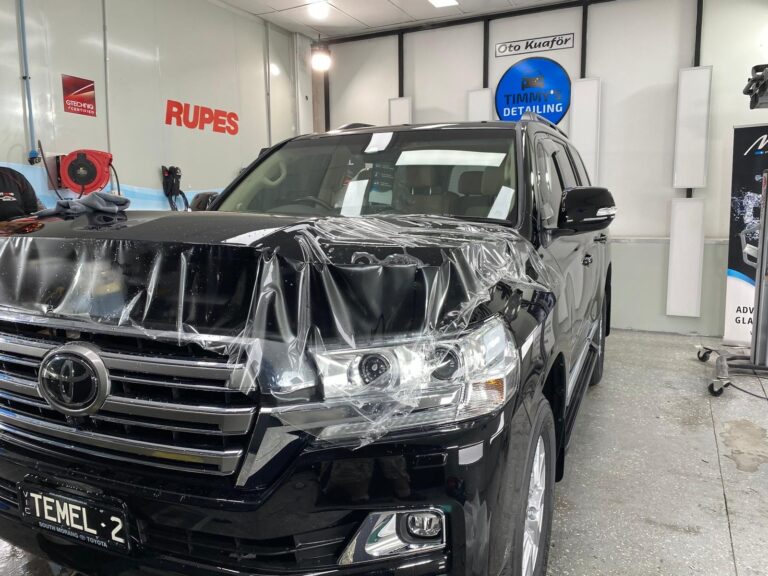
When comparing ceramic coating vs PPF Melbourne options, asking which product is best will only get you so far. The better question is which parts of your car face the greatest risk. A freeway-driven SUV has different needs to a weekend coupe kept under cover. Ceramic coatings, Modesta liquid-glass coatings and paint protection film each serve a different purpose. Once you match the protection to your car, driving and ownership plans, the decision becomes much clearer.
Start with the damage you want to reduce
Paint protection is not one job. Stone chips, scuffs, road grime, UV exposure, bird droppings and wash marks affect a vehicle in different ways. PPF is designed primarily to provide a physical barrier in impact-prone areas. Coatings focus on improving gloss, water behaviour and cleaning efficiency while adding a protective layer to suitable surfaces.
That distinction matters. A coating should not be sold as a substitute for film on a bumper that regularly meets freeway debris. Equally, covering every panel in film may not be necessary if easier maintenance and a well-presented finish are your main priorities.
Ceramic coating vs PPF Melbourne: the practical comparison
- Ceramic coating: Suits owners who value gloss, easier washing and protection from day-to-day contaminants across painted panels, wheels and exterior trim where appropriate.
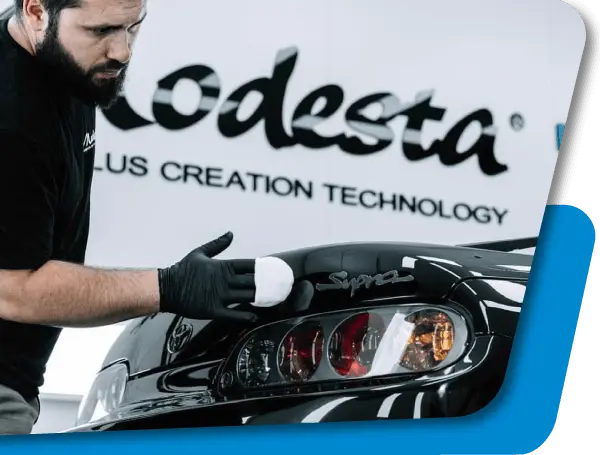
- Modesta liquid-glass coating: A premium coating option to assess on its preparation process, application conditions, care requirements and written warranty terms.
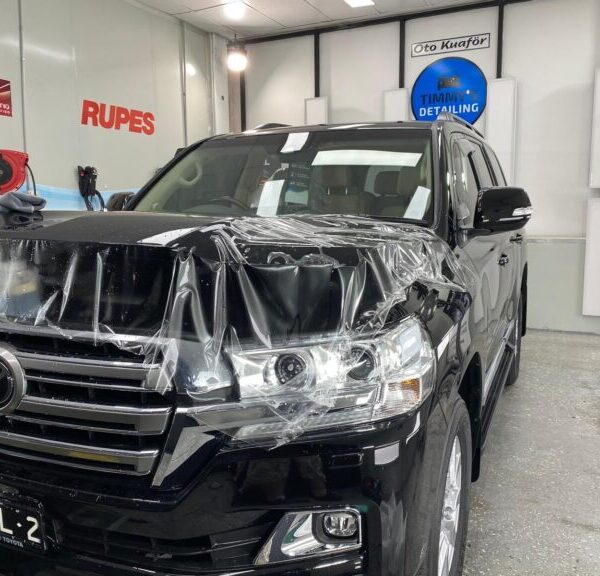
- PPF: Best suited to areas exposed to stone chips, abrasion and minor contact, such as the front bumper, bonnet leading edge and mirrors.
None of these options makes a vehicle immune to damage. Film can be marked or damaged in a significant impact, while coatings do not stop deep scratches, dents or stone chips. A good recommendation is based on realistic risks, not broad promises.
Where ceramic coating makes the most sense
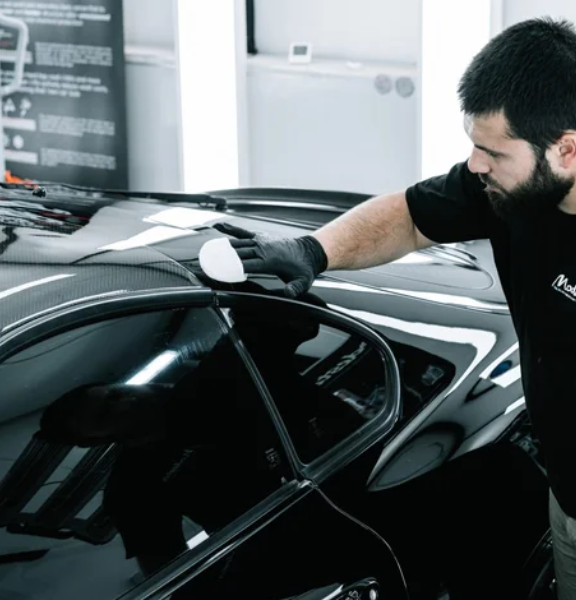
A professionally applied ceramic coating can be a practical choice for the majority of exterior panels. It is particularly useful if you want washing to be more straightforward and want a finish that is easier to maintain between details. Water and grime may release more readily from a properly maintained coated surface, although regular washing is still required.
For a city commuter that spends most of its time in secure parking and suburban traffic, a coating-only plan can be sensible. It can also suit vehicles where the paint has been properly corrected and the owner is committed to safe wash methods. Preparation is crucial: coating over swirls, embedded contamination or existing defects simply locks in a compromised starting point.
How to assess a Modesta glass coating
Modesta is a premium liquid-glass coating option, but the badge alone should not decide the outcome. Ask how the paint will be assessed, whether correction is included, where the vehicle will cure and what aftercare is required. The condition of the paint, installer process and maintenance habits all influence the final result.
Timmy’s Detailing offers Modesta liquid-glass coating and paint protection for owners seeking a premium coating system. It remains a surface-protection and maintenance-focused choice rather than impact protection. For a new prestige vehicle with low stone-chip exposure, it may be worth considering across the painted exterior. For a car that sees regular country kilometres, it may work best alongside targeted PPF.
Where PPF earns its place
Paint protection film is most valuable where physical contact and road debris are likely. Typical high-exposure zones include the front bumper, bonnet, front guards, mirrors, headlights, side skirts and areas around door edges. On family vehicles, the rear bumper loading area and door cups can also be worth discussing.
Quality installation matters because film edges, panel coverage and surface preparation affect how discreet the result looks. Timmy’s Detailing provides paint protection film in Melbourne, including XPEL and STEK options. Ask which film suits your intended coverage and confirm exactly which panels are included in the quote.
Match protection to how you drive in Melbourne
Your driving pattern should shape the package. A car that travels the Monash, EastLink or regional highways frequently is more likely to benefit from front-end PPF than one used mainly for short inner-city trips. Street parking may make door-edge protection, door cups and easier-cleaning coating benefits more relevant.
Owners keeping a vehicle for many years often choose a hybrid approach because it protects vulnerable zones while making the remaining paint easier to care for. A leased vehicle may call for a more measured plan based on its condition, remaining term and return requirements. There is no universal package that suits every car.
Build a plan by panel, not by product
A panel-by-panel plan prevents both under-protection and unnecessary spend. Consider these starting points:
- Front bumper, mirrors and bonnet leading edge: PPF is often the priority where stone chips are a concern.
- Headlights: Discuss film coverage if preserving the lens surface is a priority.
- Doors, door cups and edges: Consider targeted film for frequent passenger use or tight parking spaces.
- Side skirts and rear bumper: Consider film where shoes, luggage, prams or pets regularly contact the vehicle.
- Remaining painted panels: A ceramic or liquid-glass coating can support gloss and easier ongoing cleaning.
The right coverage should reflect the vehicle’s use, not simply its purchase price.
Preparation, maintenance and quote details matter
Before booking, request a paint inspection and a clear breakdown of the work. Confirm whether washing, decontamination, paint correction, film coverage, coating layers, curing time and aftercare are included. If you are comparing quotes, make sure you are comparing like for like rather than focusing only on the headline price.
Ask for written warranty conditions and exclusions, including what maintenance is expected from you. Avoid abrasive wash tools, automatic brushes and harsh products that are not recommended for the installed system. Regular, careful washing remains part of owning a protected car.
Frequently asked questions
Is PPF better than ceramic coating?
They solve different problems. PPF is the stronger choice for reducing stone-chip and abrasion exposure on vulnerable panels. Ceramic coating is better suited to improving finish maintenance and cleaning across broader exterior surfaces.
Can I put ceramic coating over PPF?
In many cases, a compatible coating can be applied over PPF to support easier cleaning and water behaviour. Suitability depends on the specific film and coating system, so confirm the process with your installer before proceeding.
Should I protect a new car straight away?
New paint can still have transport marks, dealership wash swirls or bonded contamination, so it should be inspected first. Early protection can be worthwhile, but the best option depends on where you drive, which panels face the most exposure and how long you plan to keep the vehicle.