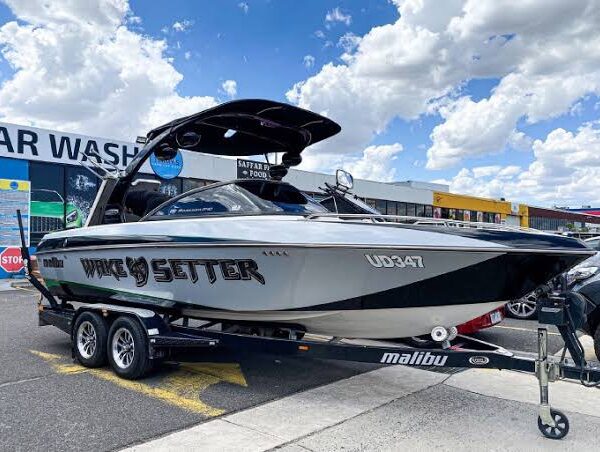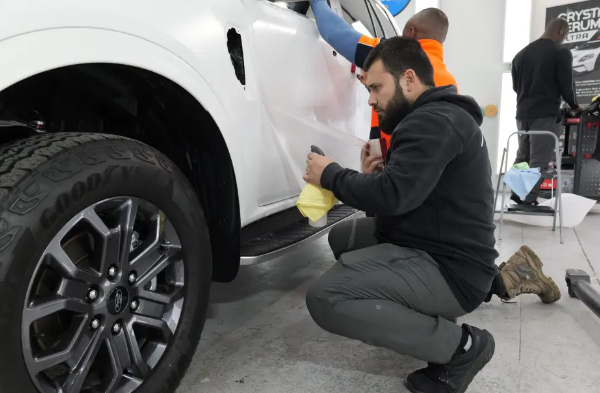
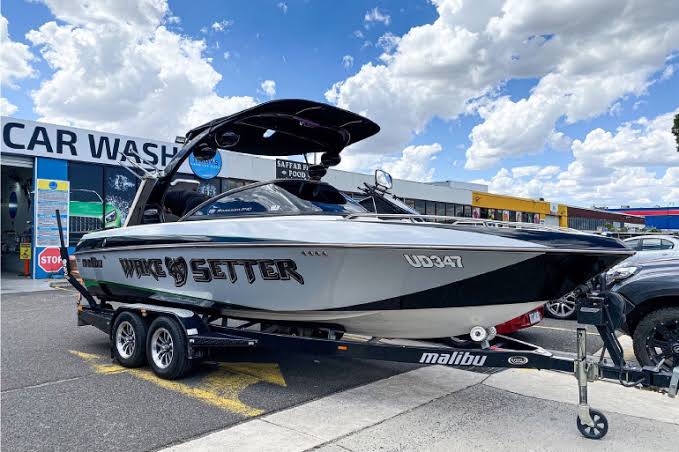
Boats work hard in Melbourne conditions. UV, salt, water spots, fish stains, oxidation and grime can all wear down paint, gel coat and metal much faster than many owners expect. That is why Marine ceramic coating Melbourne searches are growing. People want a better way to protect their investment, keep surfaces looking sharper for longer, and spend less time scrubbing after every trip. A quality marine ceramic coating helps create a protective barrier that makes cleaning easier and slows the damage caused by sun, salt and constant exposure to the elements.
Why boats in Melbourne need more protection than you might think
Marine surfaces deal with a harsher environment than most cars ever will. A boat can be exposed to strong UV, salt spray, mineral-rich water, bird droppings, fuel residue and general fallout all in the same day. Over time, that combination starts to break down finishes and leaves the vessel looking tired well before it should.
Some of the most common issues boat owners face include:
- UV fading and chalkiness on gel coat and painted surfaces
- Salt buildup that dries on the surface and encourages corrosion
- Water spotting from hard water and repeated wet-dry cycles
- Oxidation that dulls the finish and makes colours look flat
- Staining from tannins, fish blood, bird droppings and general marina grime
- Extra cleaning time because contamination clings to unprotected surfaces
Without proper protection, these issues do not just affect looks. They can shorten the life of the finish, increase maintenance costs and make restoration work more intensive later on. That is why many owners now see ceramic protection as part of regular marine care rather than an optional extra.
What is Marine ceramic coating Melbourne boat owners are choosing?
A marine ceramic coating is a specialised protective layer applied to suitable marine surfaces such as gel coat, painted finishes and other exterior areas. It is designed to bond to the surface and help resist environmental contamination, UV exposure and staining.
Unlike basic waxes or quick shine products, marine-grade ceramic coatings are made to handle tougher conditions. On a boat, protection needs to hold up against salt exposure, washdowns, moisture and long hours in the sun. A proper coating also improves surface slickness, which means dirt and residue are less likely to grip as strongly.
In practical terms, a ceramic-coated boat is generally easier to wash, easier to dry and easier to keep looking well cared for. You still need maintenance, but the work becomes more manageable.
What a ceramic coating can help with
- Reduce the impact of UV on exterior finishes
- Help repel water, salt and grime
- Make washing and drying more straightforward
- Limit staining from common marine contaminants
- Maintain gloss and visual clarity for longer
If your vessel already has fading, light oxidation or surface defects, preparation matters just as much as the coating itself. In many cases, correction and decontamination are needed first so the protection is applied to a properly prepared surface. You can learn more about marine paint correction and protection if the finish needs restoration before coating.
How marine ceramic coating protects against UV, salt and water exposure
The biggest benefit of marine ceramic coating is not one single feature. It is the way several forms of protection work together to reduce wear on exposed surfaces.
UV protection
Melbourne conditions can be harsh on boats, especially when a vessel spends long periods outdoors. UV exposure gradually weakens and dulls paint and gel coat. This often shows up as fading, loss of gloss and a chalky finish. A ceramic coating adds a protective layer that helps reduce that day-to-day exposure and slows down visible deterioration.
Salt resistance
Salt is one of the main reasons marine maintenance can feel relentless. Once salt spray dries, it leaves residue behind that can cling to surfaces and contribute to corrosion around fittings and exposed areas. A coated surface is smoother and less porous, so salt and grime are easier to remove during routine washes.
Water and stain resistance
Water itself is not the only issue. The minerals, contaminants and residue left behind after water evaporates can create spotting and staining. Ceramic protection helps water bead and run off more effectively, which reduces the amount left sitting on the surface. It also makes common messes like fish blood, bird droppings and black streaks easier to deal with before they settle in.
Oxidation control
Oxidation is a major problem on boats, particularly on gel coat. Once the surface becomes oxidised, it loses depth, colour and smoothness. While a ceramic coating does not reverse heavy oxidation on its own, it can help protect properly restored surfaces and slow down future deterioration.
For owners wanting a more complete solution, Timmy’s Detailing offers marine-grade ceramic and gel coat protection tailored to the specific demands of marine finishes.
Which marine surfaces can benefit from ceramic protection?
Not every vessel is the same, and neither are its surfaces. A professional assessment helps determine what can be coated, what prep is required and what results you can realistically expect.
Common marine surfaces that may benefit include:
- Gel coat hulls and topsides
- Painted marine surfaces
- Fibreglass components
- External metal trim and fittings where suitable
- Hard tops and cabin exteriors
- Selected smooth interior marine surfaces
The key point is this: protection works best when it matches the material. Marine coatings are not a one-size-fits-all product. Boats have different usage patterns, storage conditions and existing levels of wear. A trailer boat used every second weekend has different needs from a vessel kept full-time in a marina.
That is why surface preparation, coating choice and maintenance advice should be based on how you actually use your boat. If you want broader care beyond coating alone, it is worth exploring marine detailing and paint protection services as part of a full protection plan.
What to expect from the marine ceramic coating process
A proper marine coating job is not just a quick application. The finish underneath needs to be clean, stable and well prepared, otherwise the coating will only lock in defects and contamination.
- Inspection
The vessel is assessed for oxidation, staining, water spots, swirl marks and existing surface condition.
- Wash and decontamination
Salt, grime, residue and embedded contamination are removed so the surface is properly cleaned.
- Correction if needed
If the finish is dull or marked, cut and polish work may be recommended to improve gloss and remove defects before protection is applied.
- Panel preparation
The surface is refined and prepared to support strong coating adhesion.
- Ceramic coating application
The marine coating is applied carefully and evenly to the suitable surfaces.
- Curing and aftercare guidance
You receive advice on washing, drying and ongoing maintenance so the coating performs as intended.
Preparation often makes the difference between average results and a finish that looks clean, glossy and well protected. If a boat already has visible oxidation or staining, skipping prep to save time usually costs more later.
How to keep a coated boat looking its best for longer
Even the best marine ceramic coating is not a set-and-forget product. You still need good maintenance habits. The good news is that ongoing care is usually easier compared with unprotected surfaces.
Here are a few simple ways to get the most from your protection:
- Rinse salt off early after use where possible
- Wash with suitable products that do not leave harsh residue behind
- Dry properly to reduce water spotting
- Remove bird droppings and organic stains quickly before they bake onto the surface
- Book periodic professional maintenance if the vessel sees regular use or harsh storage conditions
Owners often notice two practical benefits straight away. First, the boat is easier to clean after a trip. Second, the finish keeps its gloss and freshness longer between major details. That means less effort chasing built-up grime and less chance of long-term staining setting in.
If your goal is to protect value as well as appearance, ceramic coating makes sense as part of a long-term maintenance approach. A well-kept vessel simply presents better, lasts better and is easier to enjoy.
Frequently asked questions
How long does a marine ceramic coating last?
That depends on the product used, the condition of the boat, how it is stored and how well it is maintained. A professionally applied marine coating generally lasts much longer than wax or sealant, but it still needs proper care to perform well over time.
Can ceramic coating fix oxidation or faded gel coat?
Ceramic coating protects surfaces, but it does not correct heavy oxidation on its own. If your boat has faded, chalky or dull gel coat, correction work is usually needed first so the coating can be applied over a sound, improved finish.
Is marine ceramic coating worth it for smaller boats?
For many owners, yes. Smaller boats still deal with UV, salt, staining and water exposure. If you want easier cleaning, better gloss retention and a more protected finish, a marine ceramic coating can be a worthwhile investment regardless of vessel size.