Your car deserves more than a quick coating and a promising sales pitch. When searching for car paint protection Melbourne services, the real question is not simply where to book. It is whether the detailer has a clear process for assessing your paint, preparing it properly and recommending protection that suits the way you drive. A professional service should leave you with documented work, realistic expectations and a finish you can confidently maintain.
Start with the result you want from paint protection
Before comparing detailers, be clear about what you want protection to do. If your priority is reducing the impact of stone chips, road debris and scuffs on vulnerable panels, paint protection film may be the right discussion. If you want enhanced gloss, easier washing and better resistance to everyday contamination, a ceramic coating may suit your needs.
Many Melbourne vehicles benefit from a combination, particularly when they regularly travel on freeways or country roads. The right recommendation depends on your vehicle, its paint condition, where it is parked and how it is used. A reputable detailer should ask these questions before suggesting a package, rather than treating every car the same.
Car paint protection Melbourne: choose a detailer with a proper process
You can get professional paint protection for your car in Melbourne from a specialist detailing studio with proven experience in coatings, paint correction and paint protection film. Look beyond the product name. Quality comes from the preparation, installation environment, application technique and support provided after the job is complete.
At Timmy’s Detailing, protection options include ceramic coating in Melbourne, premium liquid-glass coating systems and paint protection film. The most suitable option should be discussed after the vehicle has been assessed, not selected solely from a headline price or a warranty number.
Ask for a vehicle assessment before accepting a quote
A worthwhile consultation starts with an inspection. The detailer should look at the paint in suitable lighting and discuss existing swirl marks, scratches, stone chips, previous repairs, bird-dropping etching and contamination. These details affect both the preparation required and the result you can reasonably expect.
They should also ask how you use the car. A daily-driven SUV that spends time on the Monash may need attention in different areas to a weekend sports car kept in a garage. Discuss parking, kilometres travelled, regular routes and whether the vehicle is new, used or freshly repainted. Fresh paint may have curing requirements that need to be considered before protection is applied.
Find out exactly what preparation is included
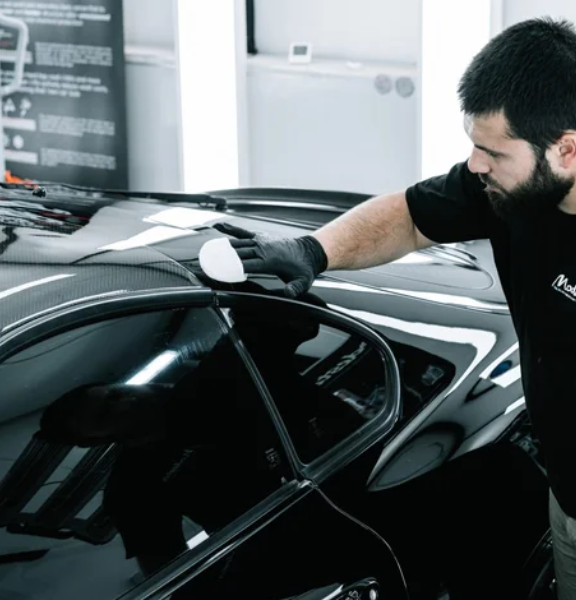
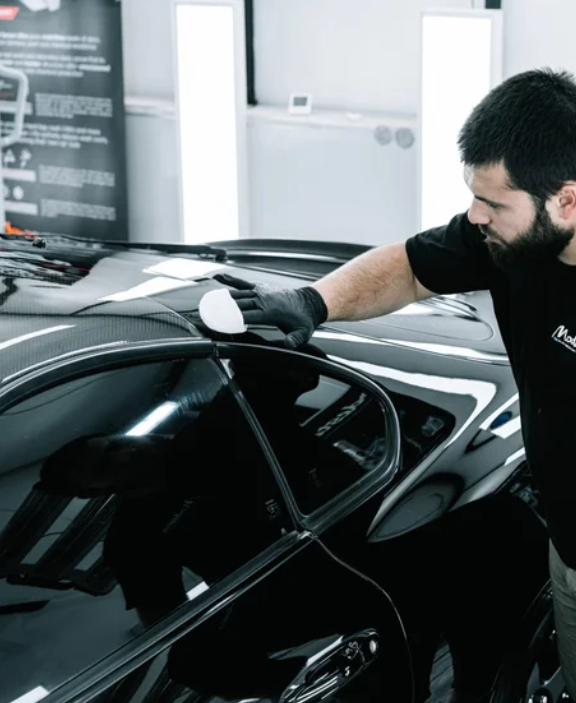
Protection should be applied to a properly cleaned and prepared surface. Depending on the vehicle and selected service, preparation may include a thorough wash, chemical decontamination, removal of bonded fallout, paint inspection, polishing or paint correction, and a final panel wipe-down.
Paint correction is especially worth clarifying. A coating can improve gloss and make maintenance easier, but it does not remove defects underneath it. Ask whether the quote includes a light enhancement polish, more extensive correction work or preparation only. If paint defects cannot be safely removed, a good detailer will explain the limitation rather than overpromise a perfect finish.
Request a written coverage plan
Do not rely on broad phrases such as “full protection” without knowing what they mean. For paint protection film, ask which panels are covered and whether high-impact areas such as the front bumper, bonnet, guards, mirrors, headlights, side skirts and door edges are included. Confirm if badges, trim, sensors or panels require removal or careful work around them.
For coatings, check whether the scope covers painted surfaces only or also includes wheels, brake calipers, exterior glass, plastics, trim and interior materials. Timmy’s Detailing can discuss paint protection film in Melbourne and coating coverage based on the vehicle’s exposure and your priorities. A written plan prevents assumptions on both sides.
Check coating systems, training and application capability
Premium products are only as good as the installation. Ask which coating or film system is being proposed, why it suits your car and what the detailer’s experience is with that system. Relevant training, accreditation and manufacturer authorisation can be useful indicators, but they should sit alongside a careful, transparent process.
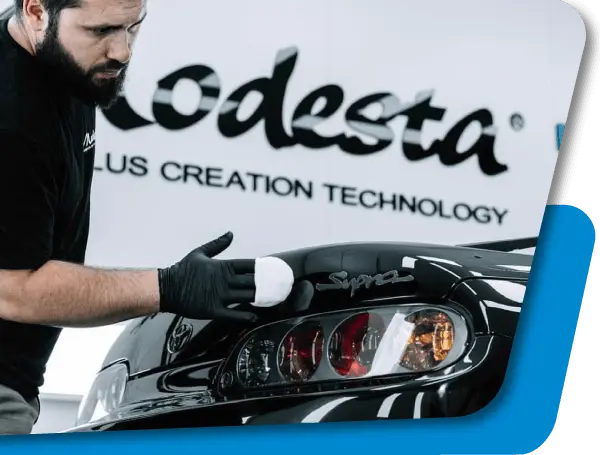
For example, Timmy’s Detailing offers Modesta liquid glass coating and paint protection and holds Gtechniq accreditation. That does not mean one product is automatically right for every vehicle. The important point is that the installer can explain the system, its intended use, its care requirements and its practical limits in plain language.
Compare quotes by scope, not the lowest figure
Two quotes can look similar while covering very different work. Ask for itemised details so you can compare like for like. The quote should identify the protection product, preparation level, paint-correction allowance, film coverage, optional surfaces, estimated turnaround time and any removal or refit work.
- Is paint correction included, and to what level?
- Which panels or surfaces are protected?
- Are wheels, glass, trim or interior surfaces additional?
- What happens if the inspection identifies more preparation work?
- Is warranty administration included in the quoted price?
A lower upfront price may exclude the preparation that makes a durable, neat result possible. Conversely, the highest quote is not automatically the best. You should be able to see exactly what you are paying for.
Read warranty, aftercare and handover terms carefully
A warranty is useful only when you understand it. Ask whether it relates to the product, the installer’s workmanship or both. Confirm what is covered, what is excluded, whether regular maintenance is required and how you would make a claim. Get the terms in writing rather than relying on a verbal summary.
At handover, you should receive care advice that explains curing time, safe washing methods, suitable products and what to avoid. You should also receive records of the installed product and a clear contact point for questions. Coatings and film reduce maintenance effort, but neither makes a car immune to scratches, stone chips, harsh chemicals or neglect.
Look at relevant workmanship evidence
Photos can show gloss, but they do not reveal every detail of installation quality. Ask to see recent work on vehicles similar to yours where possible, particularly if you are considering film on complex bumpers or a coating on paint with visible defects. Look for clean edges, consistent finish and honest explanations of what was completed.
Customer reviews can also be helpful when they mention communication, preparation, aftercare and how the business handled follow-up questions. Use them as one part of your decision, alongside the inspection, written scope and the confidence you have in the detailer’s advice.
Frequently asked questions
Should a new car be inspected before paint protection?
Yes. New cars can still have transport marks, dealership washing swirls, fallout or small paint defects. An inspection helps determine what preparation is needed before a coating or film is installed.
Can ceramic coating stop stone chips?
No. Ceramic coating is not designed to absorb the impact of stones. For areas exposed to road debris, paint protection film is the more suitable option to discuss with your detailer.
How do I maintain protected paint?
Follow the handover instructions, wash with suitable products and remove bird droppings, tree sap and road grime promptly. Avoid abrasive washing tools and automatic brushes that can mark paint or affect the finish.